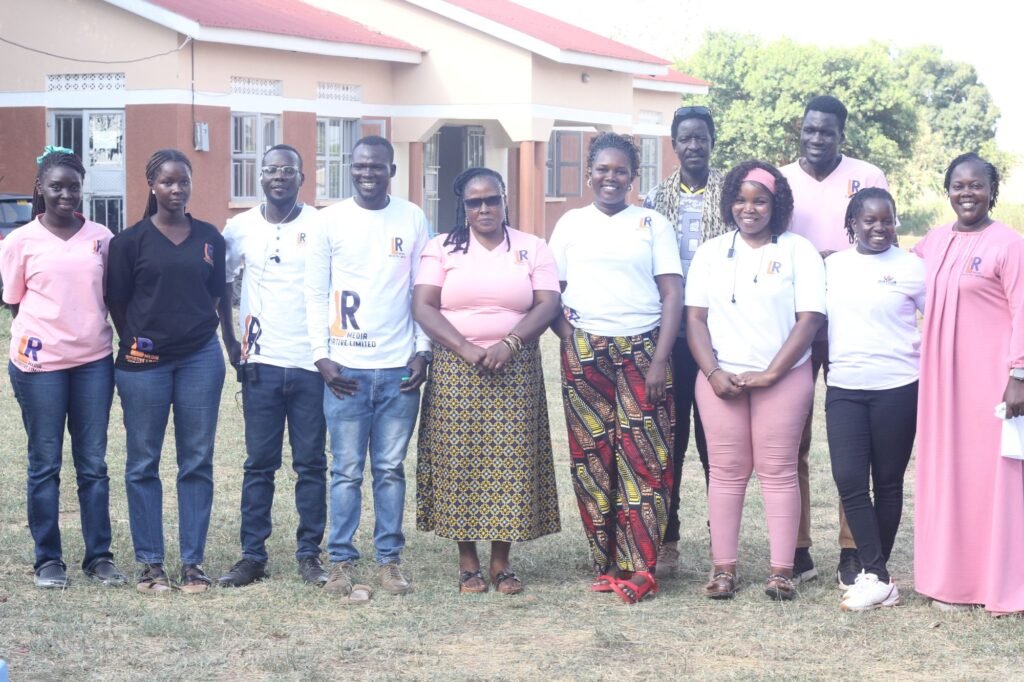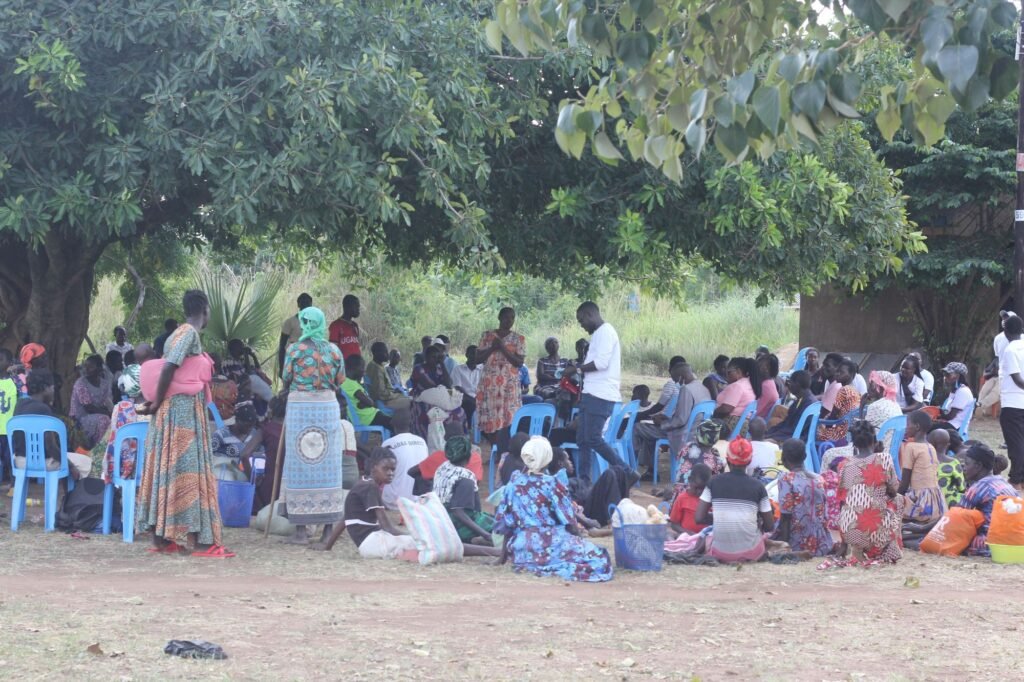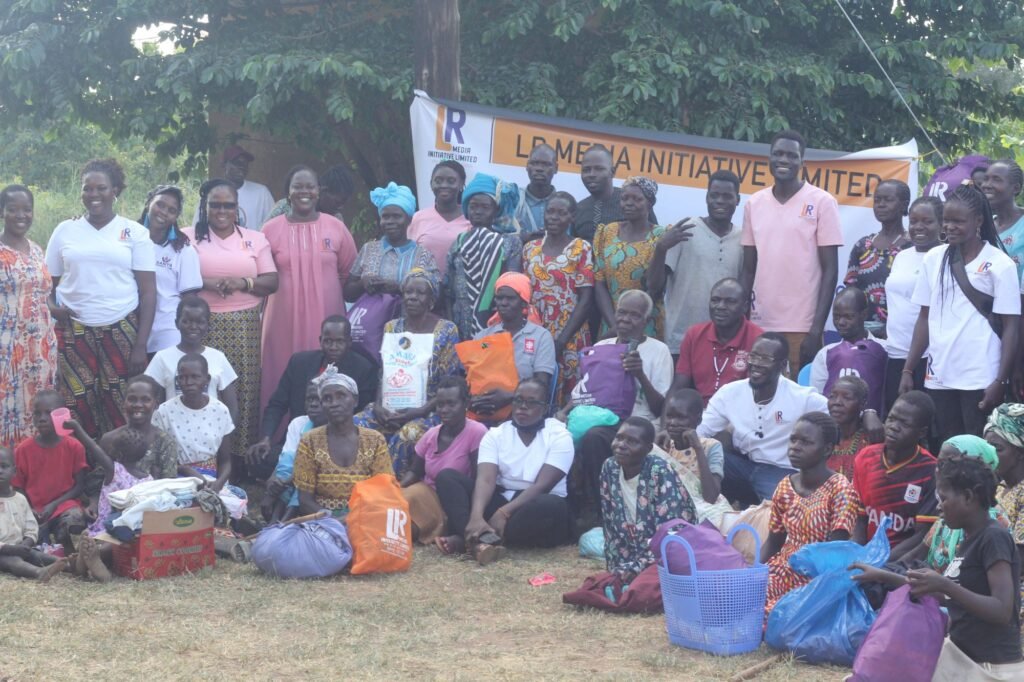
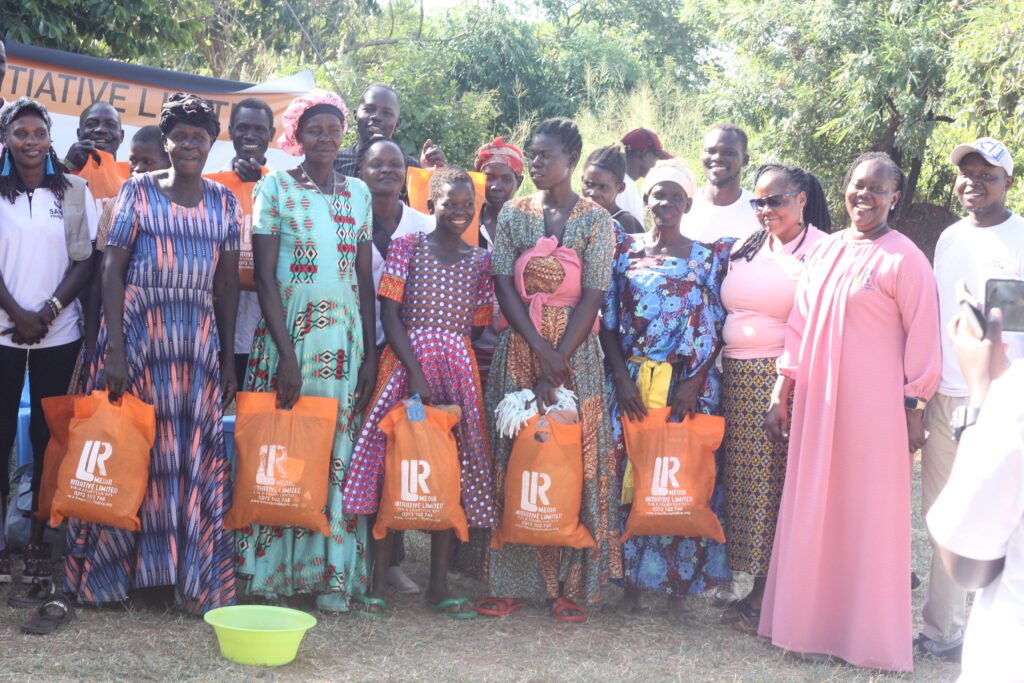
Nodding Syndrome continues to affect many children and families across Northern Uganda, particularly in Pader District. Although previous interventions have largely focused on medical and nutritional support, affected households continue to face caregiver stress, stigma, social isolation, poverty and limited access to mental-health and psychosocial-support services. One woman caregiver captured this reality during one of the joint nutrition support outreach: “While the food helps, what we truly need is support for our minds and hearts. We are dying silently and slowly.” Her words reinforced the need to combine immediate material assistance with practical, longer-term support that strengthens emotional wellbeing, protection and household resilience. Mobilising support for affected families From 1–15 June 2026, LR Media Initiative, in support of NeurXtend Foundation Uganda, conducted a donation-mobilisation campaign. Individuals, organisations, institutions and well-wishers were invited to contribute clothing, shoes, sanitary materials, soap and other essential supplies. The campaign culminated in a community outreach held on 16 June 2026 in Angagura Sub-county, Pader District. The outreach was led by LR Media Initiative in collaboration with NeurXtend Foundation Uganda, in partnership with Santa Foundation, WomenRise Uganda CBO, Northwood Production Initiative Gulu CBO, independent volunteers and elected leaders. Goal and Programme Alignment The outreach aimed to provide immediate relief while creating a safe space for affected families to receive psychosocial support, discuss their challenges and identify practical pathways towards improved wellbeing and resilience. It directly aligned with several LR Media Community Impact programmes:
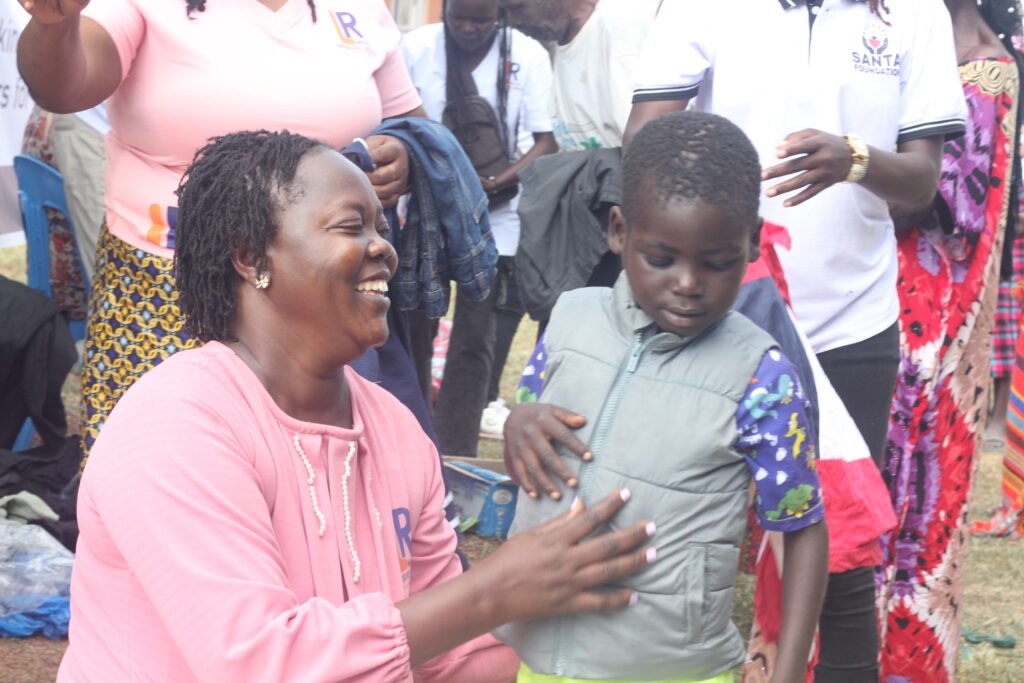
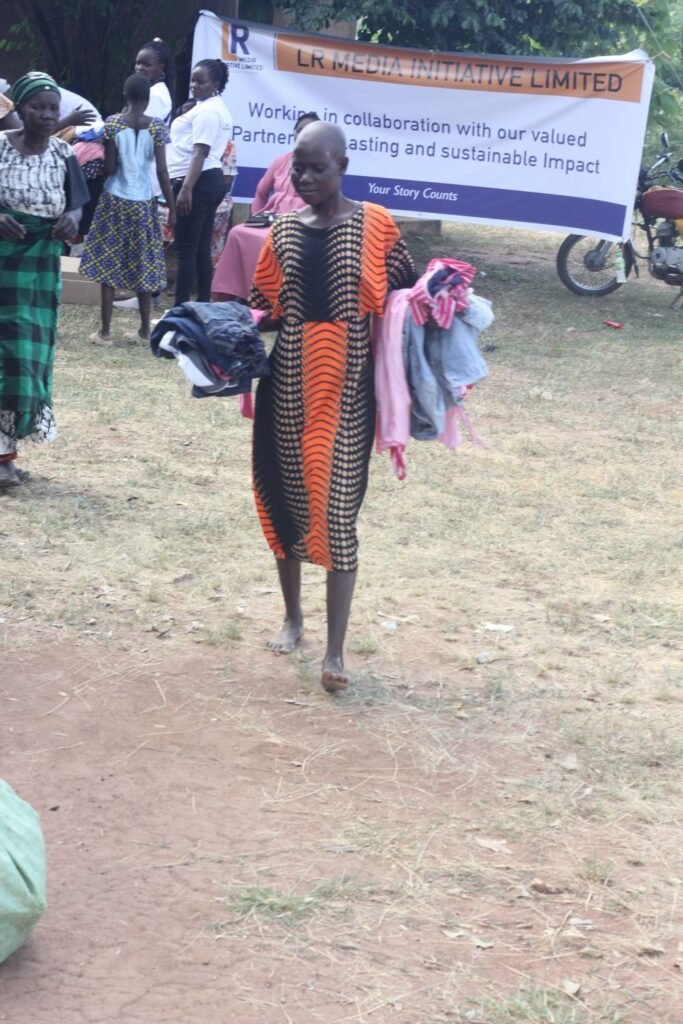
This integrated approach supports LR Media Initiative’s mission of using community engagement and responsible storytelling to raise awareness, amplify vulnerable voices and develop practical, scalable and sustainable solutions. Immediate Outputs and Outcomes A total of 134 beneficiaries, including patients, caregivers and children from affected households, received food, clothing, laundry soap, sanitary pads, shoes and refreshments. Beyond the donations, the outreach provided:
The activity promoted dignity, hope and community solidarity while generating important insights into caregiver burnout, stigma, family breakdown, protection risks, limited access to services and household poverty. From Immediate Relief to Sustainable Support The outreach demonstrated that donations can address urgent needs, but lasting change requires continued mental-health care, protection, livelihood support and stronger community systems. The findings are informing LR Media Initiative’s proposed HEART Project—Healing and Empowering Affected Families through Resilience and Transformation. The proposed intervention would build on the outreach through caregiver-support groups, counselling, child-friendly therapeutic activities, referral systems, anti-stigma dialogue, livelihood strengthening and training for community health workers, VHTs and local leaders. Progress would be measured through practical results such as improved caregiver wellbeing, reduced stigma, functional support groups and referral pathways, increased access to psychosocial and protection services, and stronger household economic resilience. LR Media Initiative will also use responsible storytelling and media content to sustain awareness, mobilise support and ensure that the voices and needs of affected families remain visible. Any documentation involving vulnerable children and families will place informed consent, privacy, safeguarding and dignity at its centre. Partnership for Lasting Change The outreach showed what can be achieved when organisations, leaders, volunteers and communities combine their strengths. However, continued partnerships and adequate resources are necessary to transform a successful outreach into lasting support. LR Media Initiative welcomes collaboration with government institutions, development partners, healthcare providers, mental-health and child-protection professionals, livelihood organisations and community leaders to build practical pathways towards healing, protection, dignity, resilience and hope for families affected by Nodding Syndrome. Every Story Counts. Every Life Matters.
|